Tutorials
ESP32 development tutorials and guides
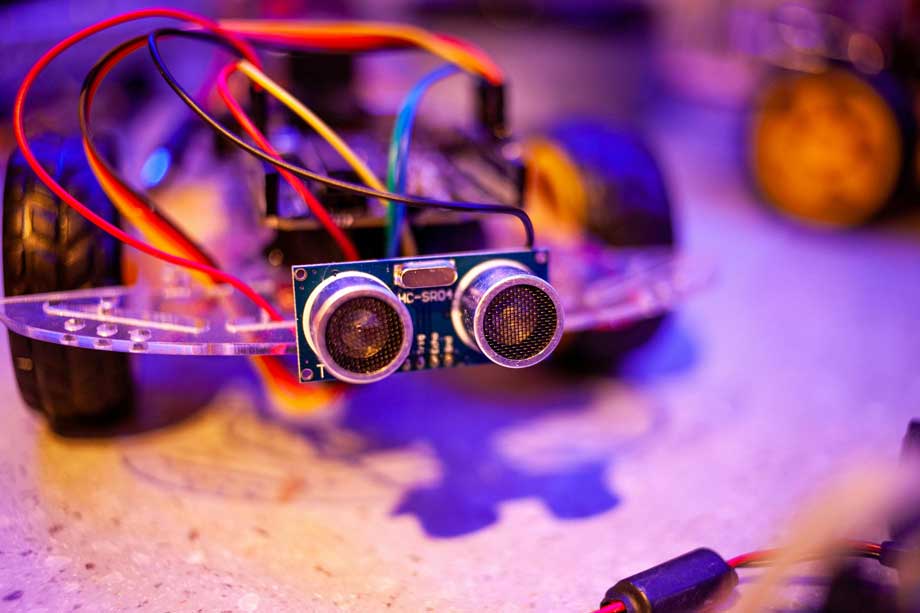
ESP32 Dual-Core Usage
The ESP32's dual-core architecture enhances performance and multitasking capabilities. In this blog post, we will explore how to configure the ESP32's dual-core setup using the Arduino platform.
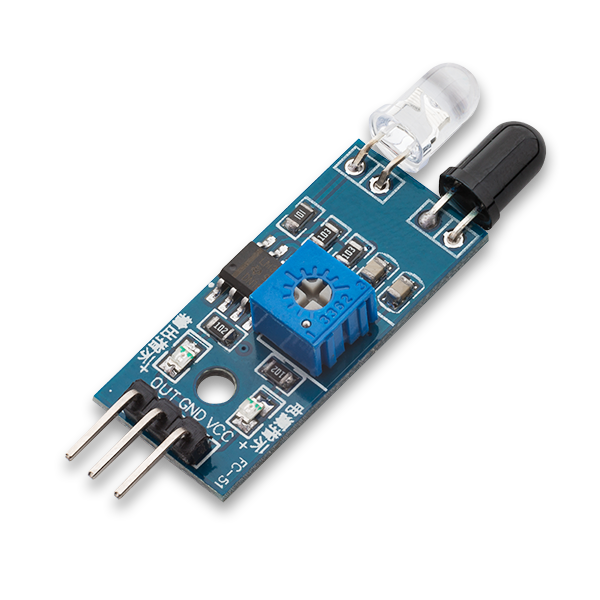
ESP32 and human body infrared module
Usage of ESP32 to control the human body infrared module, covering its components, control principle, applications, circuit connection, and code.
ESP32 WiFi Configuration Tutorial
Introduction The ESP32 is a powerful microcontroller that comes with built-in WiFi capabilities. With this feature, it is possible to connect the ESP32 to the internet and even use it to create a W...
ESP32 read PT1000/PT100 temperature sensor values
ESP32 read PT1000/PT100 temperature sensor values In this article, it will introduce how to read the temperature values from PT1000 with ESP32. The principle of PT1000 measure temperature PT1000...

Control LED Brightness with ESP32 PWM
This article focuses on the ESP32 board's PWM capabilities, detailing key terms like TON, TOFF, period, and duty cycle, essential for understanding PWM applications and implementation.

ESP32 PWM Output
This article details how to utilize ESP32's PWM feature to manage LED brightness, covering components, code, and testing.
start
start
Remote Control of Light Switch using ESP32
This tutorial explains how to build an IoT application to control a light switch remotely using the ESP32 microcontroller, Wi-Fi, and a relay module.
Markdown format support testing
This post to show the support of Markdown format in the ESP32cube website.
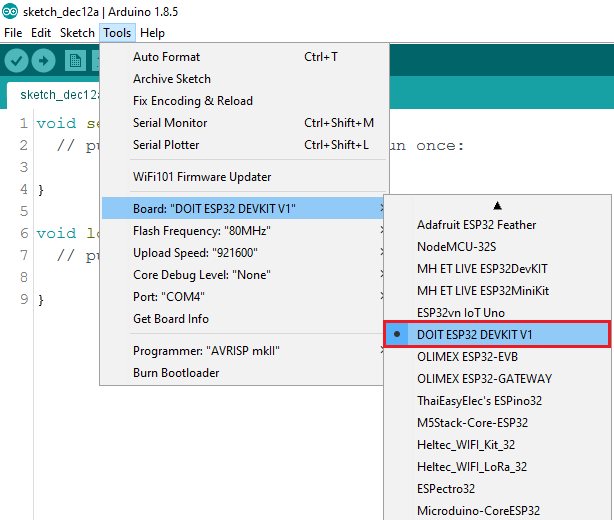
Flash Code to ESP32 by Arduino IDE
To flash an ESP32, it need to install the ESP32 board support package in the Arduino IDE. Here are the steps to follow: - Connect the ESP32 devolop board to your computer using the USB cable. - Ope...
How to Play Internet Radio Stations with ESP32
This post provides a step-by-step guide of play Internet radio on an ESP32-S3.
ESP32 DEVKIT V1 Pin Referance
This article covers the ESP32 DEVKIT V1 pin reference, highlighting GPIO functions. The board has 30 pins and 25 GPIOs for various tasks, including ADC and DAC. Safety for each pin is discussed, aiding project development.